Regulations
“Extraordinary Circumstances”: When Airlines Don't Have to Pay
Last updated June 2026
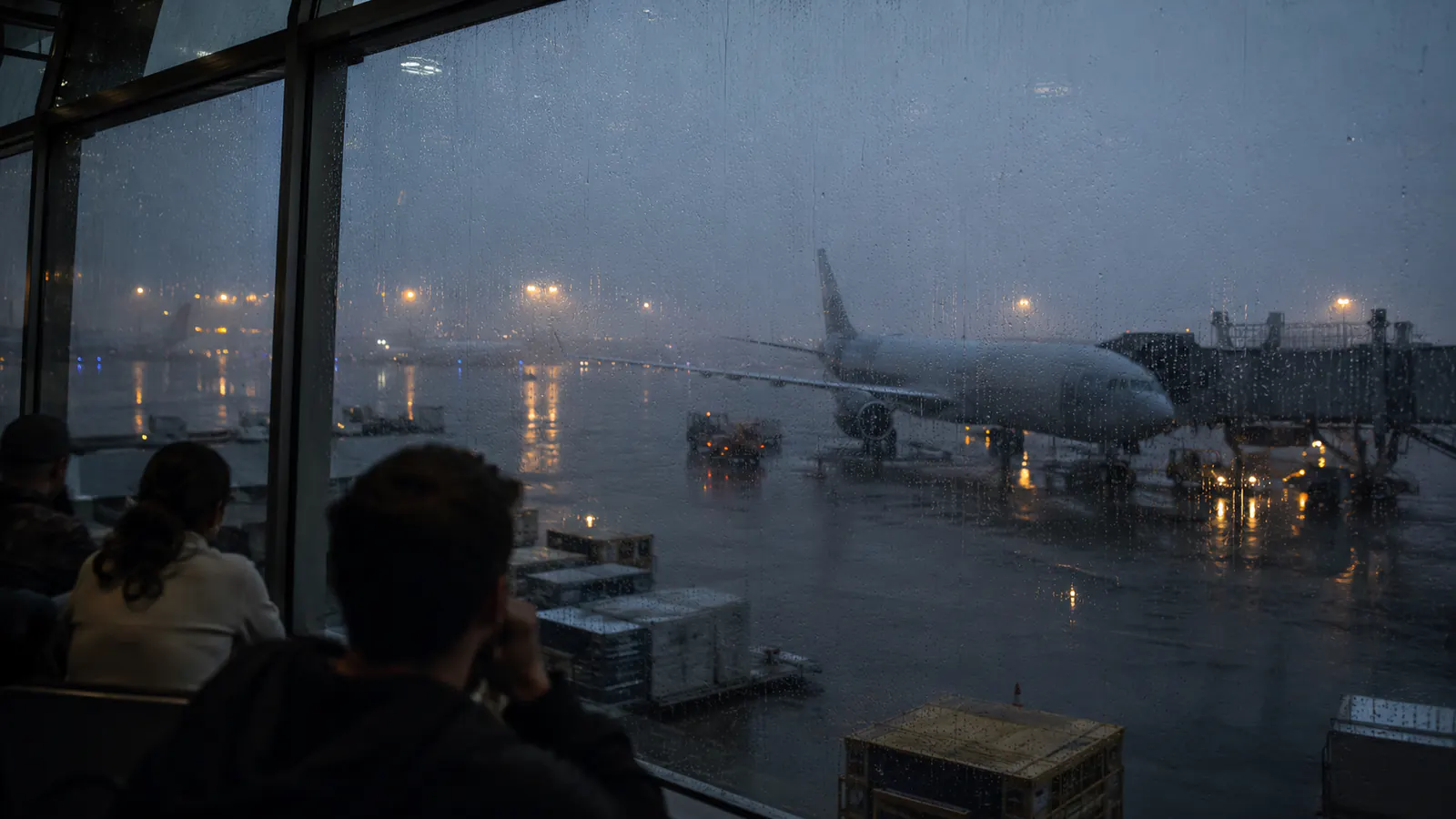
"Extraordinary circumstances" is the phrase airlines reach for to avoid paying compensation. But the legal definition is narrow, the airline must prove it, and many of the reasons airlines cite simply don't qualify. Knowing the difference is the single biggest factor in whether your claim succeeds.
What the law actually says
Under EU261 and UK261, an airline doesn't have to pay compensation if the disruption was caused by extraordinary circumstances that could not have been avoided even if all reasonable measures had been taken. Crucially, the burden of proof is on the airline — not on you. If they can't prove it, you're owed the money.
What usually counts as extraordinary
- Severe weather that genuinely prevented the flight (but they must show it affected your specific flight)
- Air-traffic-control restrictions and airport closures
- Security risks and political instability
- Strikes by third parties — air-traffic control, airport staff (not the airline's own employees)
- Hidden manufacturing defects confirmed by the maker or a regulator and affecting a whole aircraft type
- Bird strikes, and lightning strikes that force a mandatory safety inspection
What usually does NOT count
- Most technical and mechanical faults — the EU Court treats routine technical problems as part of running an airline
- Strikes by the airline's own staff — the EU Court ruled in the Eurowings case (C-613/20) that a wildcat strike by the airline's own crew is within its control
- Crew shortages, scheduling and rostering problems, knock-on delays from an earlier late aircraft
- Routine operational decisions
How to push back
If an airline refuses your claim citing extraordinary circumstances, don't take it at face value:
- Ask them, in writing, for the specific cause and the evidence for it.
- Check whether other flights operated normally around the same time — if they did, the "weather" defence weakens.
- If you doubt the explanation, submit the claim anyway and escalate to the national enforcement body. Making the airline justify itself often turns a refusal into a payment.
Even when extraordinary circumstances genuinely apply, you keep your right to care and a refund or re-routing — only the cash compensation falls away.
Frequently asked questions
Can the airline blame the weather to avoid paying?
Only if the weather genuinely caused your specific delay and they can prove it. If other flights operated normally around the same time, the defence is weak. Always ask for the specific cause in writing and push back if it doesn't add up.
Is a technical fault an extraordinary circumstance?
Usually not. The EU Court treats most technical and mechanical problems as an inherent part of running an airline, so they don't excuse compensation. A rare exception is a hidden manufacturing defect confirmed by the maker or regulator across an aircraft type.
Keep reading
Reviewed June 2026 by the DelayPayer Editorial Team
Sources, review and limits
Last verified
June 2026
Author and reviewer
Written by DelayPayer editorial desk; reviewed by Passenger-rights policy review.
Primary data sources
- EU Your Europe and Regulation EC 261/2004 summaries
- UK Civil Aviation Authority guidance
- U.S. DOT and Canada CTA passenger-rights guidance
Passenger-rights rules and case law change. Eligibility checks are general information, not legal advice or a guarantee of compensation. Confirm with the relevant regulator or airline before relying on a claim.